
Women in prison: PET submits written evidence to parliament
Prisoners’ Education Trust has submitted written evidence to the Justice Select Committee inquiry on women in prison, as it explores how well women’s needs are met in prison.
Prisoners’ Education Trust has submitted written evidence to the Justice Select Committee inquiry on women in prison, as it explores how well women’s needs are met in prison.
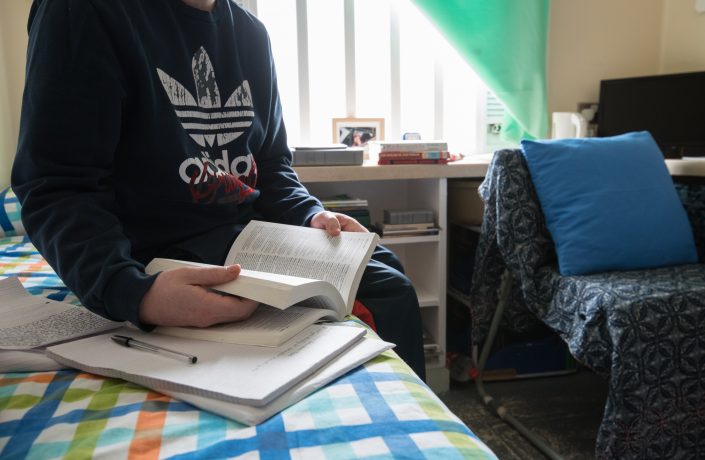
In the last of three blogs on how prisons are recovering from the pandemic and what this means for prison learners, PET’s Head of Policy Francesca Cooney reflects on the changes to in-cell study and the support that learners need to succeed.
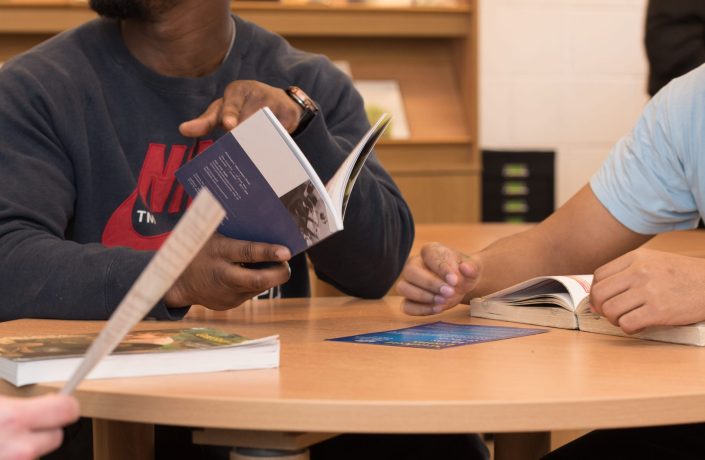
In PET’s second blog about how prisons are recovering from the pandemic, we look at the changes we would like to see to the core day.
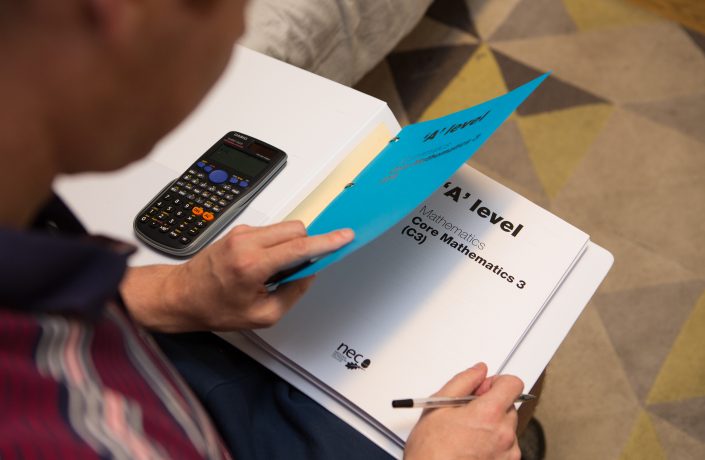
The first of three blogs about how prisons are recovering from the pandemic and what this means for prison learners.

Young Offender Institutions (YOIs) in England are taking too long to recover from the pandemic, according to the Independent Monitoring Boards (IMBs) Annual Report.

Jon Collins talks the challenges prison education is facing, digital learning, and how people in prison can help shape the charity’s future.
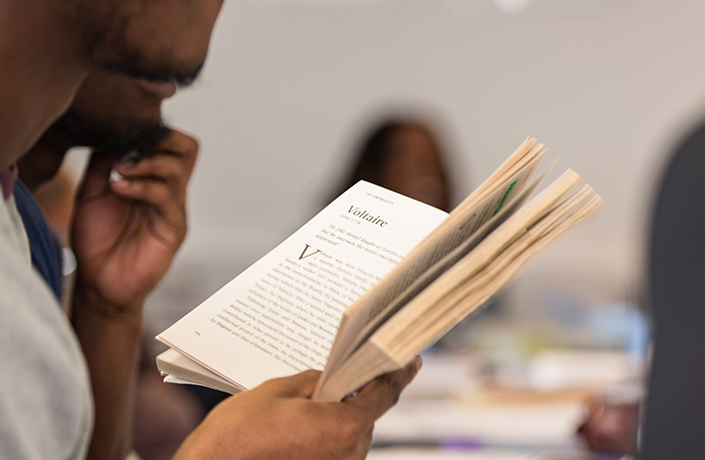
Seven changes that would make a real difference to prison learners and help to unlock their potential. Our suggestions to the Education Select Committee’s inquiry.

Watch the Shadow Justice Secretary join our expert panel for an online discussion on education, race and criminal justice.

As part of HMP Pentonville’s commemorative book marking their partnership with PET, residents have written a manifesto for improving prison education.

At any one time, up to 1000 children can be in prisons or secure training centres. Francesca Cooney, our Head of Policy, reviews the recent report from HM Inspectorate of Prisons (HMIP) on children in custody and outlines what it tells us about access to education.
© Prisoners' Education Trust 2026